
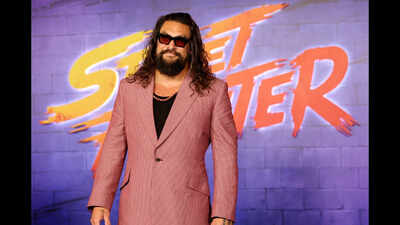
Jason Momoa launched Mananalu in 2019 with a clear goal: challenge the bottled-water industry to move away from single-use plastic. The Hawaiian water brand began with aluminium bottles and a “buy one, remove one” programme that funded the removal of plastic bottles from the ocean. According to PR Newswire, that effort has resulted in more than 6 million plastic bottles being extracted from the ocean. In January 2025, the company relaunched as Mananalu Powered by Boomerang Water, introducing on-site bottling machines that can sanitise, rinse, fill and cap 400 to 500 reusable aluminium or glass bottles every hour. The shift marks a major change in how the company operates. Instead of shipping packaged water to hotels and businesses, Mananalu now installs compact bottling systems behind the scenes, connects them to local municipal water and purifies the water on site. Guests receive water in reusable containers, which are returned to the same machine after use, cleaned and refilled. The company says the approach eliminates single-use water bottles and reduces its carbon emissions by 95 percent. Read more about it here:
Why Momoa started Mananalu
Momoa founded Mananalu as an extension of his environmental advocacy and Hawaiian heritage. The name translates to “Sacred Spirit of Life,” and the brand was created around the Hawaiian principle of mālama honua, which means caring for the Earth. Momoa has described the company as a way to help the planet recover from decades of environmental damage and misuse.In its first phase, Mananalu focused on replacing plastic bottles with aluminium ones. The company sold its water through retailers including Whole Foods and Costco, and its aluminium bottles helped encourage a wider shift in the packaged-water market. At the same time, the buy-one-remove-one programme tied each purchase to the removal of a plastic bottle from the ocean, turning consumer sales into a measurable cleanup effort.Momoa said the aluminium-bottle phase was intended to push the drinking-water industry to change, but he argued that the next step needed to go further. “We pushed the drinking water industry to change with our aluminum bottles, and now it’s time to push again,” he said in the announcement, adding that the partnership with Boomerang Water aims to eliminate waste and environmental impact in the pursuit of healthy water.
How the refill machines work
The new Mananalu Powered by Boomerang Water system is roughly the size of a hotel ice maker. It connects to a local municipal water source, purifies the water through a proprietary filtration process and fills reusable bottles on site. The machines can process 400 to 500 aluminium or glass bottles per hour, or up to 4,000 bottles a day.The process is designed to be circular. After a guest finishes drinking, the bottle is returned to the machine, where it is sanitised, rinsed, filled, capped and sealed for the next use. This closed-loop model removes the need for disposable bottles and reduces the transport, packaging and waste associated with conventional bottled water.Boomerang Water co-founders Jason Dibble and Jerrod Freund said the technology was designed to work almost anywhere by connecting to a local water source, as per the release. They described it as a cost-effective way to provide clean drinking water with minimal waste and a reduced carbon footprint. The technology won the 2024 SXSW Product Innovation Award.
Why Hawaii came first
Hawaii was chosen as the first market for the relaunched system because the islands face particular challenges around imported goods and waste. Much of the drinking water sold in Hawaii has historically been shipped from the mainland, which adds transport emissions and creates packaging waste that the state must manage or export. Mananalu says on-site bottling can reduce dependence on those mainland shipments.The company began its rollout on Oahu with four hospitality partners: The Twin Fin Hotel, Romer House Waikiki, Kaimana Beach Hotel and Alohilani Resort Waikiki Beach. These hotels will use the refill system to provide guests with purified water in reusable containers rather than single-use plastic bottles.Stephen Hinck, area managing director and general manager of The Twin Fin, said in the release that the hotel was honoured to become the first Oahu hospitality partner to implement the technology. He described the partnership as part of the hotel’s commitment to celebrating Hawaii’s natural resources and encouraging guests, staff and the local community to adopt a more mindful approach to water consumption.
A shift from recycling to reuse
plastic water bottles
Mananalu’s evolution reflects a broader difference between recycling and circular reuse. Recycling still depends on collecting, processing and remanufacturing materials, while a closed-loop refill system keeps the same container in use repeatedly. By sanitising and refilling bottles on site, the company reduces packaging waste at its source rather than dealing with it after disposal.The model also changes the economics of bottled water for hotels. Instead of ordering cases of packaged water, properties can install a machine, use local water and refill durable containers. That can reduce delivery frequency, storage needs and waste removal, although the system still requires maintenance, cleaning and reliable local water infrastructure.For guests, the experience is designed to feel simple. They receive water in a reusable aluminium or glass bottle, use it during their stay and return it for cleaning and refilling. The company says this makes sustainable hydration part of the hospitality experience rather than an additional task for visitors.
What comes next for Mananalu
Mananalu says it is now working with hospitality brands, local businesses and schools in Hawaii to eliminate single-use water bottles and help the state regain independence from mainland bottled-water shipments. The company also says it is looking beyond Hawaii, with plans to scale the technology through global corporate partners.The company’s reported progress offers a useful measure of its early impact. More than 6 million plastic bottles removed from the ocean is a significant figure, but the new refill machines represent a different kind of prevention. Rather than cleaning up plastic after it has entered the environment, the system is intended to stop disposable bottles from being created in the first place.Momoa’s project is therefore moving from awareness and cleanup toward infrastructure. If the hotel partnerships prove successful, the model could show other tourism-heavy destinations how to reduce plastic waste while supporting local water systems. For now, Hawaii is the first testing ground for a system that treats drinking water not as a disposable product, but as a resource that can be purified locally and reused again and again.