
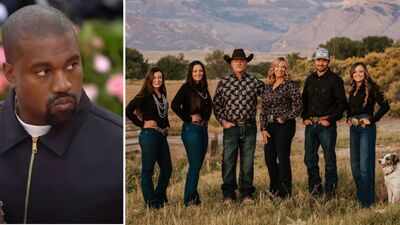
In 2019, Kanye West bought the 6,713-acre Bighorn Mountain Ranch near Greybull, Wyoming, for about $14.5 million from the Flitner family, according to Cowboy State Daily and Architectural Digest. Six years later, Greg and Pam Flitner bought the land back for a reported $14 million, determined to prevent the historic ranch from being divided into large-scale subdivisions.The sale was recorded by Bighorn County in September 2025, with documents notarised in Zurich by West’s wife, Bianca Censori, acting on his behalf. For the Flitners, the return of the property was about far more than real estate; it restored a piece of their family’s working history at the base of the Bighorn Mountains.
A ranch with deep roots
The Flitner Ranch was established by Arthur Flitner in 1906, and successive generations of the family have continued to live and work in the surrounding valley. The Bighorn Mountain Ranch had long been an essential part of the family’s grazing operation, providing mountain pasture and seasonal range for their cattle.The property includes historic structures such as Baldridge Cabin, a simple two-room log building with a wood stove that served as the family’s cow camp. For generations, it was where the Flitners moved cattle, hunted rocks, spent time together and escaped the pace of everyday life.When the mountain portion of the ranch was sold in 2019, the family had to adjust its operations. Pam Flitner said the loss was difficult, particularly because the land was not merely an asset but a place woven into the family’s routines, memories and identity.
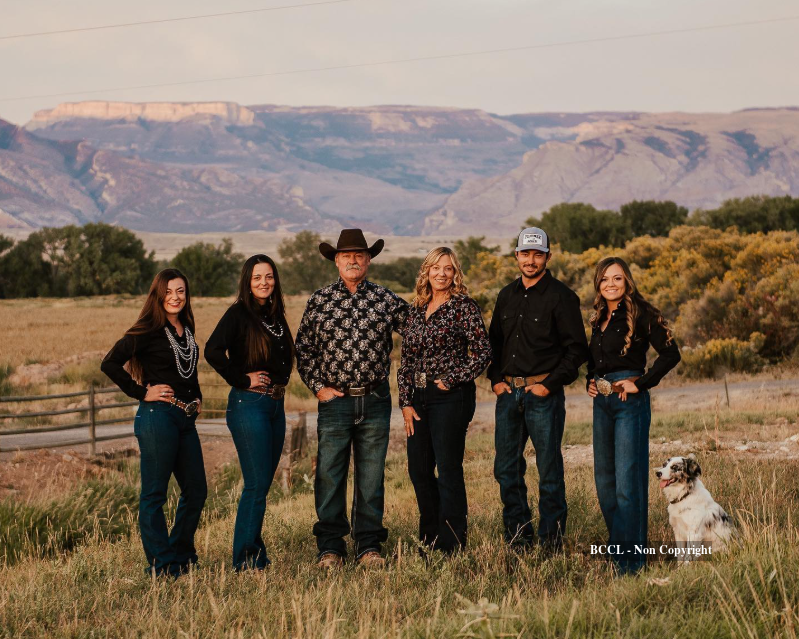
The FlitnersPhoto credit: Flitner Ranch/ Instagram
West’s Wyoming plans
West purchased the ranch from Greg’s father, David Flitner, and David’s wife, Paula, in 2019. The purchase came shortly after he acquired the 3,885-acre Monster Lake Ranch near Cody, where he envisioned a larger creative and business project known as the “Yeezy Campus.”West reportedly saw Bighorn Mountain Ranch as a private retreat, calling it his “therapy ranch” during his separation from Kim Kardashian. Architectural Digest also reports that he developed parts of his 2021 album, Donda, while spending time at the property.His wider Wyoming ambitions included affordable “Yecosystem” dome housing, branded retail spaces and a vast amphitheatre for large-scale choir performances. Those plans were centred more on Monster Lake Ranch, while Bighorn Mountain Ranch appears to have been intended as a secluded family refuge.
Why the family returned
Greg and Pam Flitner tried to lease the land back from West during his ownership, arguing that keeping it in agricultural use would carry lower property taxes than residential development. They said they never received a response from West’s representatives.The ranch was listed for sale on and off over the following six years. The Flitners said potential buyers had expressed interest through real estate agents, but the property was repeatedly removed from the market before a sale could be completed.In September, the couple learned that the ranch was available again, though it was not initially listed publicly. They moved quickly after hearing that prospective buyers included speculators, raising fears that the property could be purchased and transformed into a sprawling subdivision.
Protecting the landscape
The Flitners’ concern was not simply about losing access to familiar land. A large subdivision could have changed the character of the valley, increased development pressure and reduced the amount of land available for ranching, wildlife and open space.By buying the ranch back, the family aimed to keep the core of the property in agricultural use for another generation. Greg said their children remain involved in the operation, with interests spanning cattle, farming, horses and equine dentistry.The purchase was financially demanding for the family. To help sustain the ranch, they listed two nonessential portions for sale: the 645-acre Snowshoe Lodge and Mountain Island for $5.9 million, and the 500-acre Bighorn Mountain Hideout for $5.75 million.
The buildings survived
Despite the uncertainty surrounding West’s ownership, the Flitners said the historic buildings were not demolished. Pam Flitner told Cowboy State Daily that West “did not knock down any of the buildings,” adding that the structures may need care but remain solid.That was especially meaningful for Baldridge Cabin, which had been the family’s headquarters during cattle work and a gathering place for decades. The family has already returned to the cabin, installed a new floor and begun other maintenance work.The property’s survival contrasts with the more visible remnants of West’s ambitions at Monster Lake Ranch, where abandoned foundations and unfinished structures remain. At Bighorn Mountain Ranch, the landscape and historic buildings largely remained intact.
A complicated legacy
The Flitners said they do not blame West for buying the ranch or pursuing his own vision in Wyoming. Greg noted that people who knew West described him as focused and hardworking, while Pam said she understood the appeal of a remote place where a family could be away from the rest of the world.Still, the six-year period left the family uncertain about the ranch’s future. Neighbours reportedly expressed relief and gratitude when the Flitners regained ownership, reflecting wider anxiety about what could have happened to one of the area’s significant properties.For the Flitners, having the land back feels like “a piece of the world knitting itself back together.” The ranch is once again part of a working family operation, rather than a potential development site, and its future is tied to the people who have cared for it for generations.