
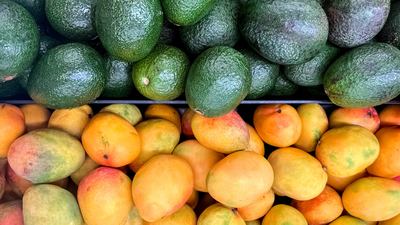
An apple a day keeps the doctor away.We all laud apples for their health benefits. Of course, no other fruit has an entire idiom centred around its pros. But, we often overlook these other fruits in the supermarket aisle, as the apple tempts us with its charm (who can blame Eve?).There is some great news for summer fruit lovers. A new study by researchers at Illinois Institute of Technology (Illinois Tech) shows that eating mango and avocado every day could offer unexpected benefits for heart health. This study published by Journal of the American Heart Association suggests that incorporating these two nutrient-rich fruits into everyday meals may help support cardiovascular health.
What the researchers did
The study was a randomised, two-arm, partially controlled feeding trial involving 82 adults with prediabetes. Participants were generally healthy, non-smokers, and were overweight or had obesity, with an average age of 45 years and an average body mass index of about 30 kg/m².They were split into two groups. One group received weekly diets that included one medium avocado and one cup of fresh mango every day. The other group received an energy-matched control diet, in which the fruits were replaced with low-fat, low-fibre foods providing a similar number of calories. Women received about 1,500 calories a day, while men received about 1,750 calories a day.The researchers were not simply asking whether people who ate fruit were healthier. Instead, they controlled the participants’ meals and calories, making the comparison much more rigorous. The main question was whether adding avocado and mango changed the function of blood vessels after eight weeks.
How blood vessel health was measured
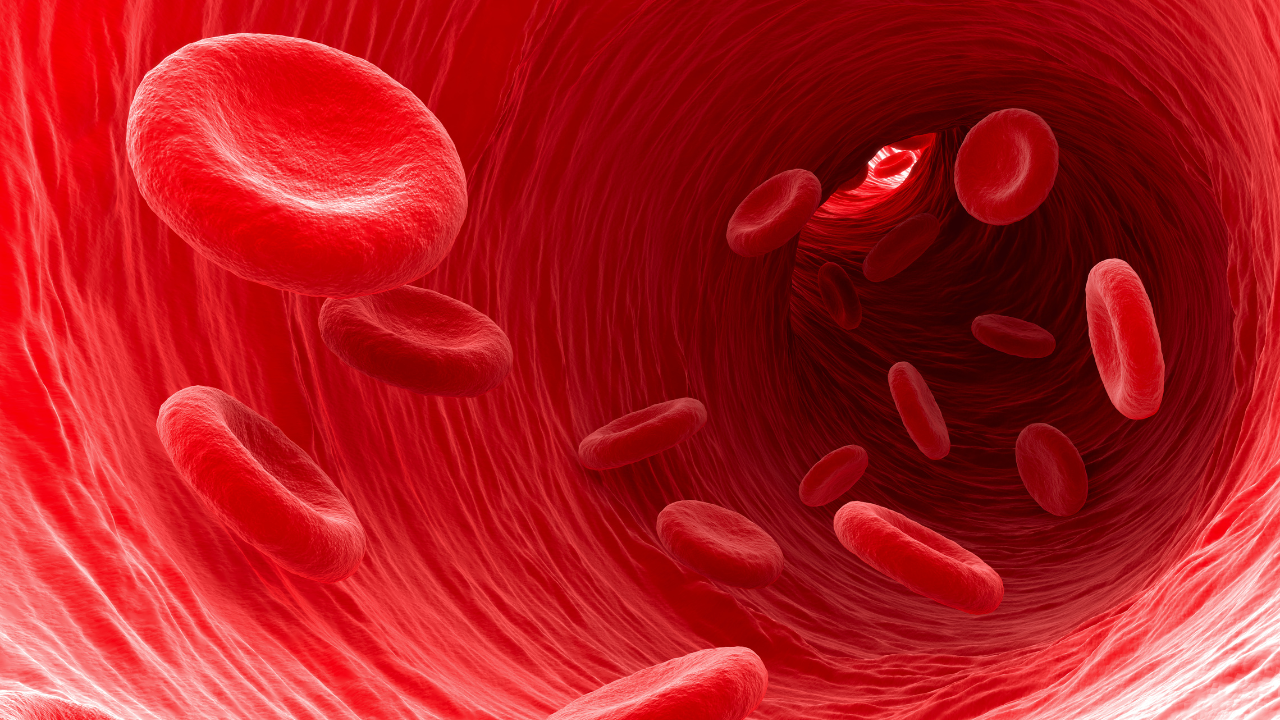
The blood vessel function improved the most.
The key measure was flow-mediated dilation, or FMD. This non-invasive test assesses how well the endothelium, i.e., the delicate inner lining of blood vessels, relaxes and widens when blood flow increases.Arteries need to expand and contract smoothly to regulate blood flow and pressure. When the endothelium becomes less responsive, it can be an early sign of cardiovascular risk, often appearing before more obvious problems such as blocked arteries or heart attacks.After 8 weeks, FMD rose to 6.7% in the avocado-mango group. In the control group, it fell to 4.6%. Put simply, the fruit group’s blood vessels became better at dilating, while the control group’s vessels became less responsive.The researchers calculated that the avocado-mango diet produced roughly a 1% absolute improvement in FMD compared with the control diet. That may sound small, but vascular function is measured in fine increments, and even modest improvements can be meaningful when sustained.
Blood pressure benefits, especially in men
The study also looked at blood pressure. Here, the effects were particularly noticeable among men. Men eating avocado and mango daily saw a reduction of about 1.9 mmHg in central diastolic blood pressure, while men in the control group experienced an average increase of about 5 mmHg.Central blood pressure refers to pressure near the heart and major arteries, rather than only the pressure measured at the arm. Because it reflects the load experienced by the heart and central vessels, researchers consider it an important marker of cardiovascular health.The finding suggest that, in this group of adults with prediabetes, the fruit-rich diet helped prevent a worsening trend in blood pressure over the study period.
Why avocado and mango?
Avocados are rich in monounsaturated fats, fibre, potassium and other micronutrients. Mangoes contribute vitamin C, carotenoids, fibre and natural plant compounds with antioxidant properties.The participants in the study increased their total fruit intake, as well as their intake of dietary fiber, vitamin C and monounsaturated fats substantially by eating these two fruits. The researchers say the benefit may come from the combination, rather than either fruit alone. Avocado provides healthy fats and mango provides carbohydrate, fiber and vitamin C. Together they added more fruit to the diet and a greater variety of fruit.
Weight did not change

Surprisingly, the diet lead to no change in weight.
One of the more shocking discoveries was that participants did not lose weight. This is because their calorie intake was controlled, and the fruit was added within an energy-balanced diet rather than simply piled on top of existing meals.This challenges a common assumption that fruit must lead to weight gain because it contains sugar or calories. In this study, a daily cup of mango and an avocado were incorporated into a calorie-controlled eating pattern, and participants still saw vascular benefits.That said, the result should not be read as permission to eat unlimited avocado and mango. Both are nutritious, but calories still count. The study’s benefit came from replacing part of the diet with these fruits, not from adding them indiscriminately to an already excessive calorie intake.
What did not improve
The study had encouraging results, but avocado and mango are not a panacea. The researchers did not find improvements in cholesterol, blood sugar or inflammatory markers compared with the control diet.Better blood vessel function and modest changes in blood pressure do not automatically translate into a lower risk of heart attack or stroke. This trial was only 8 weeks in duration so longer studies would be needed to see if these early vascular improvements are maintained and are translated to clinical outcomes. But vascular and metabolic changes often occur over longer time frames, the researchers themselves point out.
What this means for your plate
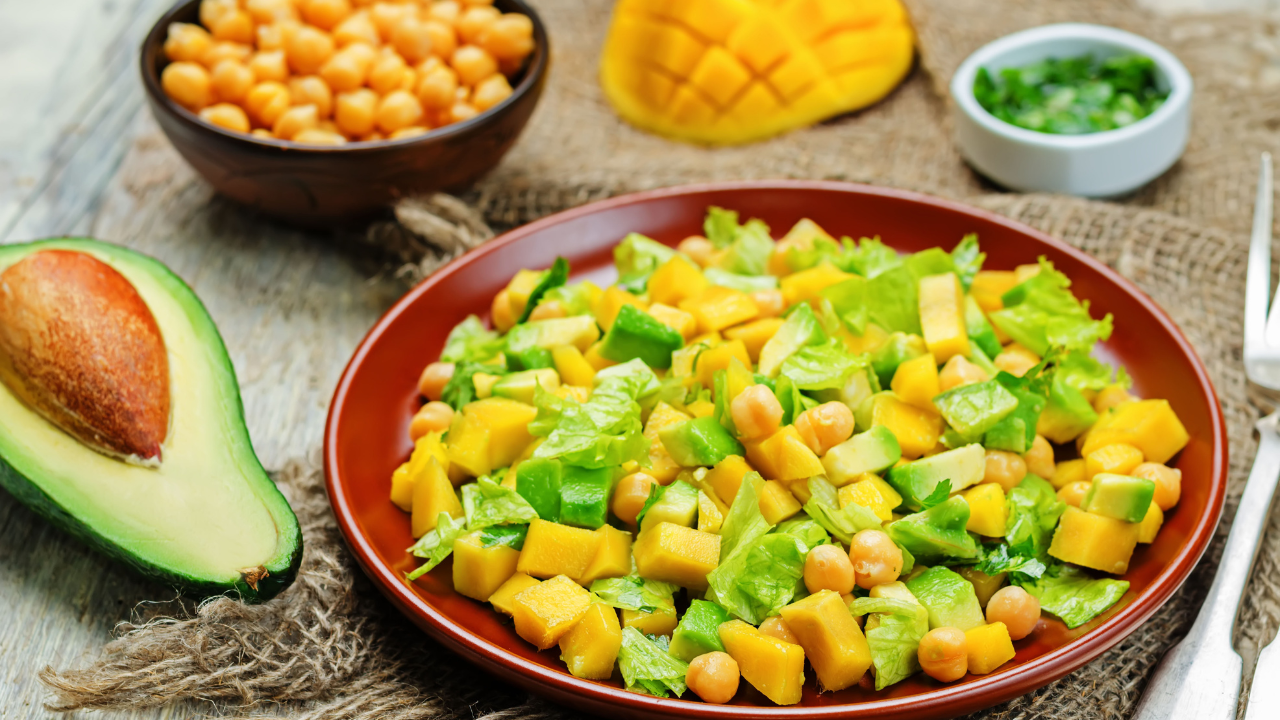
The practical takeaway for a heart-healthy diet.
The practical takeaway is simple: fruit deserves a more central place in everyday eating. For someone who enjoys mangoes in summer and avocados year-round, this research offers another reason to make room for them on the plate.A cup of mango could be eaten as breakfast, dessert or a snack, while avocado can be added to toast, salads, eggs, grain bowls or smoothies. The important point is balance: use these fruits to replace refined snacks or less nutritious calorie sources, rather than simply adding extra food to the day.Apples may still deserve their reputation. But the latest research suggests that the humble mango and creamy avocado should not be treated as mere indulgences. For adults with prediabetes, at least, this daily fruit pairing may help blood vessels work a little better, one meal at a time.