
NEW DELHI: The Food Safety and Standards Authority of India (FSSAI) has launched a nationwide surveillance exercise to assess the quality of packaged drinking water, with the results expected to take at least one to two months, FSSAI CEO Rajit Punhani said.The exercise is being carried out across the country as part of the food safety regulator’s ongoing efforts to examine various food categories and ensure compliance with prescribed standards.“That process has started, and we’re doing it across the country. The results will take at least a month or two,” Punhani told reporters.He clarified that packaged drinking water was not selected for any specific reason but was part of the regulator’s broader surveillance programme.“Last year, we took up dairy, meat, eggs, cereals, energy drinks, sugary drinks and other products. So, water is also part of the process,” he added.Separately, Punhani stressed the need for food businesses to follow ethical advertising practices, particularly when making claims about their products and promoting them.He emphasised that the regulator was not looking at the issue solely from a legal perspective and urged industry players to consider the ethical dimensions of advertising.“The idea is not that it’s only the legal part of it. It is also the ethical part of it,” he said, calling on the industry to focus on responsible advertising practices.
The Bisleri row
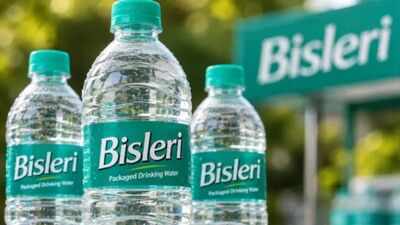
Punhani’s remarks and the nationwide surveillance exercise come amid regulatory action against packaged drinking water manufacturer Bisleri International over a sample collected from its Goa facility.On November 23, the FSSAI granted sanction to prosecute the company after a regulatory sample was initially found non-compliant with the prescribed limits for bromate and declared unsafe under the Food Safety and Standards Act, 2006.Following an appeal by the company, the sample was sent to a referral food laboratory for further examination, which also declared it unsafe after detecting polynuclear aromatic hydrocarbons (PAHs).However, the FSSAI clarified on Monday that the action was limited to a single sample from one batch, numbered GO 270, collected from the company’s plant at Verna Electronic City in South Goa.
Also Read | ‘Only one batch affected’: Bisleri says no stock of Goa-made water under FSSAI scanner in marketThe authority also issued an order prohibiting the sale of the concerned batch under Section 36(3) of the Food Safety and Standards Act.Bisleri International subsequently welcomed the clarification, maintaining that the sales prohibition applied only to the specific batch manufactured at its Goa plant on September 27, 2025.The company stated that it produces more than 50,000 batches annually and that no stocks of the particular batch were currently available in the market. It also maintained that retesting found bromate levels below the permissible limit.(With ANI inputs)