
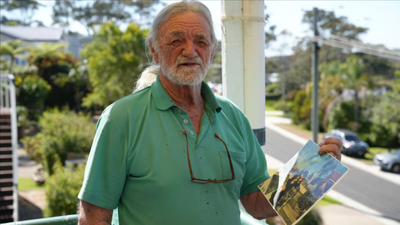
For Susan Lewis, donating her body to science was a way of giving something back to society. She and her husband, Warren Lewis, had registered with the University of Wollongong’s body donation programme nearly a decade before her death. However, when the 79-year-old passed away on a Saturday in September, her final wish could not be carried out.Susan died in Batemans Bay, on Australia’s New South Wales coast. A miscommunication between the hospital, the funeral service provider and the university meant her body was not embalmed in time to be accepted for scientific research. By Monday morning, Warren received a call from the university informing him that they had not received his wife’s body.The couple had been married for 52 years. Warren was understandably devastated, particularly because Susan had been so determined to help others through her donation. What followed, however, was an effort to ensure another family would not have to experience the same disappointment, ABC reports.
Why was her donation rejected?
At the time of Susan’s death, the University of Wollongong did not have a body donation coordinator available over weekends, public holidays or during the university’s academic shutdown periods. This created a problem because donated bodies need to be preserved within a relatively short window. Ideally, embalming or freezing should take place within 48 hours of death. After that, natural changes in the body can make it unsuitable for anatomical study.Professor Deirdre McGhee, chair of the university’s Anatomy Committee, explained to ABC that once enough time has passed, the body can no longer be sufficiently preserved for teaching and research.Body donation plays an important role in medical education. Donated remains allow doctors, nurses, medical scientists and other healthcare professionals to study human anatomy in detail. In New South Wales, accepted bodies can be used for teaching and research for up to eight years.
How did Warren Lewis change the policy?
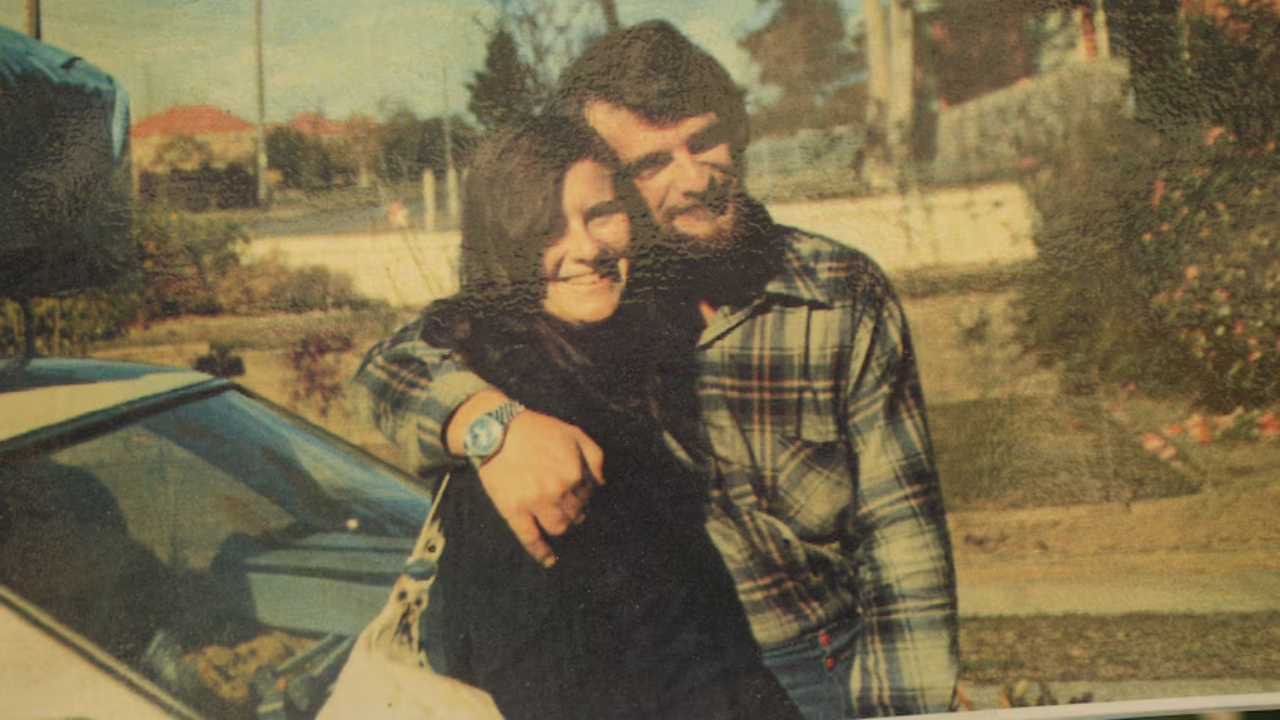
Old photo of Warren and Susan Lewis. Image: Jacinta Counihan/ABC News
Rather than letting the incident end there, Warren began pushing for the university to address the gap in its donation process. His efforts eventually led the University of Wollongong to establish a partnership with Macquarie University, allowing weekend donations to be received through the latter’s programme. This gives families another route to follow when a donor dies outside the usual working hours.Professor McGhee credited Warren’s advocacy for bringing about the change, acknowledging that he had helped the university rethink how it handled donations. It is a small administrative adjustment, but one that could make a considerable difference to families who have spent years preparing for a loved one’s final wishes to be respected.
Why can’t everyone donate their bodies to science?
Susan’s experience also draws attention to the practical challenges surrounding body donation in Australia. There are 17 university-linked anatomy programmes across the country that accept whole-body donations. However, registering as a donor does not guarantee that a university will be able to accept the body after death.The final decision depends on several factors, including the person’s medical condition at the time of death. Certain infectious diseases, skin conditions and previous medical procedures can make a body unsuitable. Universities also have limited storage facilities and can only accommodate a certain number of donations. The University of Wollongong, for instance, accepts up to 20 bodies a year. University of Sydney research affiliate Rebekah Jenkin has also highlighted how many potential donors cannot be accommodated because programmes are already operating at capacity.There is a considerable amount of work involved in preserving and preparing donated bodies, too. At some institutions, the preparation process can take more than a year, adding to the cost and storage requirements. Susan’s donation could not be accepted, but her husband’s campaign has made the process a little more accessible for those who come after her. While no policy change can undo the disappointment of losing the opportunity to fulfil her wishes, it has given her story a different kind of legacy.