
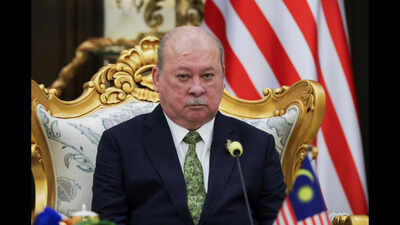
Malaysia’s King Sultan Ibrahim has warned that any attempt to challenge his order allowing former Prime Minister Najib Razak to serve the remaining two years of his sentence under house arrest could amount to defying his decree. The warning came a day after authorities delayed Najib’s transfer from prison, despite his party paying a 50-million-ringgit fine, about $12 million, to meet a condition of the royal pardon issued in September, as per reports by Reuters, Al Jazeera and South China Morning Post (SCMP).Najib, who has been in jail since 2022 after being convicted of corruption and money laundering in a case linked to the 1Malaysia Development Berhad scandal, was due to be transferred home on Friday. The attorney-general’s office said questions had arisen over the legal interpretation of the royal pardon and a court order allowing Najib to leave jail, prompting the suspension. Read more details about it, as per the reports, here:
What the king said
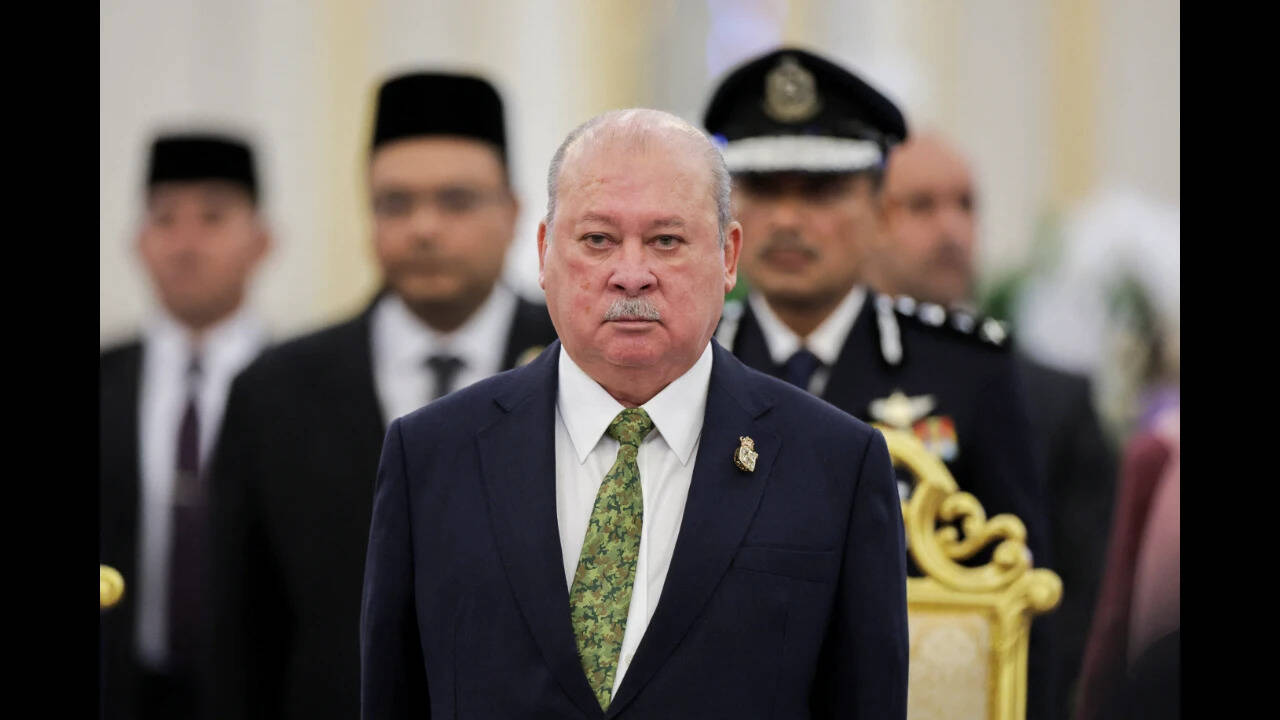
Malaysia’s King Sultan Ibrahim Sultan Iskandar REUTERS/Hasnoor Hussain/Pool
In a statement issued by the national palace, Sultan Ibrahim said his pardon order was clear, explicit and without any ambiguity. He noted that the attorney-general and the federal territories minister had attended the pardons board meeting at which the order was issued.The king said there should be no confusion over its interpretation, nor should there be prolonged uncertainty over the implementation of the decision that has been granted. He warned that any attempt to challenge the order could amount to defying his decree.The king’s position carries weight in Malaysia, where the monarch and the country’s other sultans are held in deep respect. Negative remarks about royalty can be prosecuted under the colonial-era Sedition Act.
What the attorney-general said
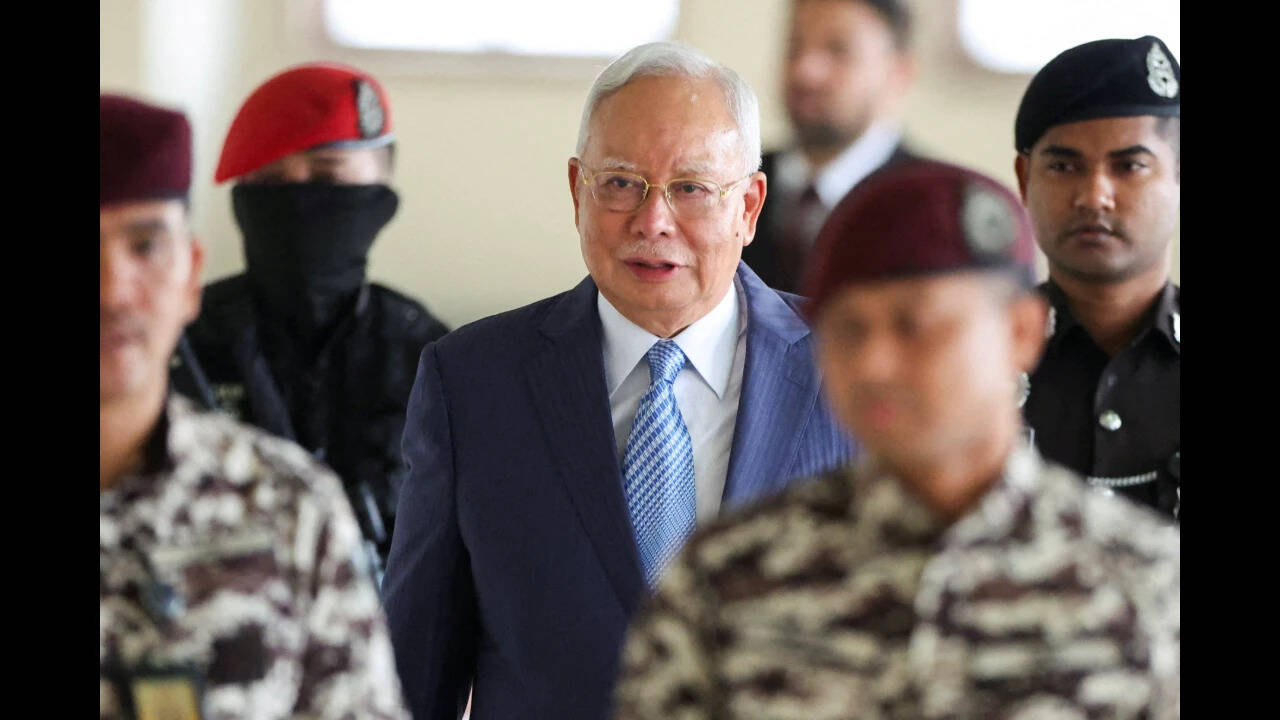
Malaysia’s former Prime Minister Najib Razak
The attorney-general’s chambers responded to accusations from Najib’s lawyers of executive overreach, saying it was only seeking legal clarity. The office said it had never disputed, set aside or intended to suspend the conditional pardon order granted by the king.The AGC said the issue should be referred immediately to the court for a clear determination and directions. That response suggests the delay was not a rejection of the pardon, but an attempt to resolve a legal question before Najib is moved.The chambers did not immediately respond to a request for comment outside office hours, according to Reuters.
How the pardon came about
Najib’s party, the United Malays National Organisation, used crowdfunding to cover the 50-million-ringgit fine, since his bank accounts have been frozen. The fine was a condition of the royal pardon issued by King Sultan Ibrahim in September.The pardon allows Najib to serve the remaining two years of his sentence at home, rather than in prison. His lawyer, Farhan Shafee, told reporters on Friday that he had been given the order and was delivering it to Kajang prison.Najib has been in jail since 2022 after being found guilty of corruption and embezzlement of billions of dollars connected to 1Malaysia Development Berhad, a state investment fund he co-founded while in power from 2009 to 2018. He has repeatedly denied all wrongdoing, the reports said.
What the 1MDB case involved
Investigators say about $4.5 billion was stolen from the 1MDB state fund, with more than $1 billion linked to Najib. The scandal has been one of the largest financial fraud cases in modern history.Najib was also convicted in a separate 1MDB trial in Malaysia, where he was sentenced to 15 years in prison and a $2.5 billion fine for money laundering and abuse of power. He has appealed that case, and his lawyers requested that the jail term and fines be halted, citing poor health and his inability to pay.A judge rejected that request in September, saying the gravity of the offence was a more important public interest consideration. Najib is due to return to jail to serve out that sentence once his house arrest ends in 2028, though it is unclear at this stage whether that will happen.
Why the delay matters
The delay in Najib’s transfer has created a political stir in Malaysia, according to Al Jazeera’s Rob McBride, who reported from Kuala Lumpur. He said the decision could impact the political scene, with questions being asked about how current politics have influenced the pardon.Prime Minister Anwar Ibrahim has publicly raised concerns about the pardon in his capacity as the country’s anticorruption figurehead. There has also been speculation that he may have helped the pardon go through behind the scenes due to pressure from Najib’s party.The king’s warning adds another layer to the situation. By framing any challenge to the order as a potential act of defiance, Sultan Ibrahim has made clear that he expects the pardon to be implemented as issued.
What happens next
The attorney-general’s office has asked for the matter to be referred to the court for a clear determination and directions. That means the legal question over the pardon’s interpretation will likely be resolved through the judiciary rather than through further political negotiation.For Najib, the immediate question is whether he will be transferred to house arrest as planned. The king’s statement suggests he expects that to happen, but the attorney-general’s request for legal clarity means the timeline is not yet certain.The case is a reminder of how royal pardons, constitutional powers and political pressure can intersect in Malaysia’s system. With the king’s warning now on record, the next move will likely come from the courts.