
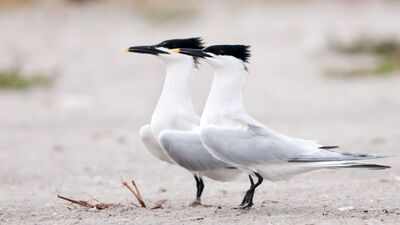
In 2022, bird flu swept through the Sandwich tern colony, devastating its population and leaving the breeding site deserted. Three years later, after sustained conservation efforts by the Royal Society for the Protection of Birds (RSPB), rangers and volunteers, the colony has staged a remarkable comeback at Pagham Harbour, a coastal wetland on England’s southern coast.According to the RSPB’s latest figures, at least 756 pairs of Sandwich terns bred at Pagham Harbour in 2026, making it a record year for the site. The colony also produced 570 fledglings, young birds that had grown enough to leave their nests.
A harbour where the wild still holds centre stage
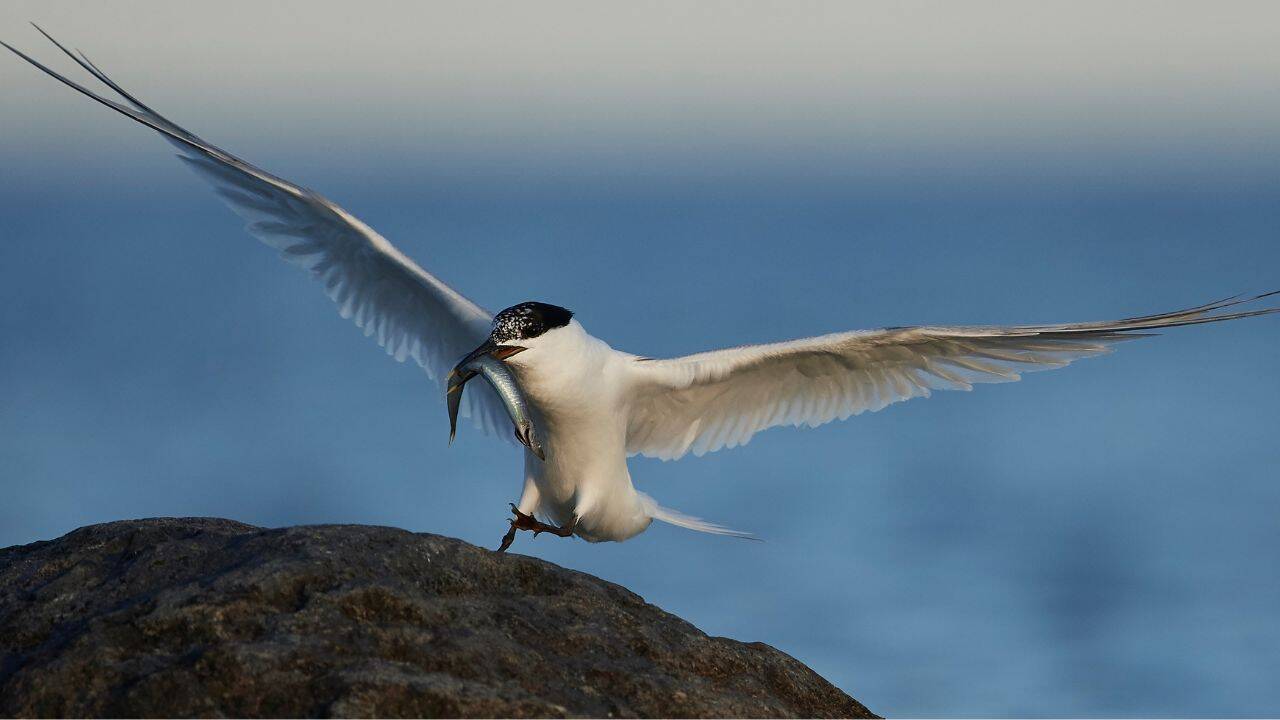
Located in West Sussex, Pagham Harbour is a sheltered coastal inlet of saltmarshes, mudflats, lagoons, reedbeds and shingle beaches. It is one of the less-developed stretches of the Sussex coast, offering a landscape where one can observe beautiful tides and enjoy excellent birdwatching opportunities.The reserve is part of a wider network of important coastal habitats along southern England. Its changing landscape attracts a variety of birds throughout the year, from wintering geese and waders to elegant terns that arrive to breed in warmer months.Sandwich terns are seabirds with pale bodies, long pointed wings, dark caps and slender bills tipped with yellow. The sight of them hovering over the water before plunging headfirst to catch a fish is a delight for all birdwatchers.Their return to Pagham Harbour, however, means more than a spectacular wildlife sighting. It signals that a breeding habitat devastated by disease can once again support a thriving colony.
When bird flu silenced the island
The crisis began in 2022, when Highly Pathogenic Avian Influenza (HPAI), commonly known as bird flu, hit seabird colonies along the south coast. Sandwich terns, black-headed gulls and Mediterranean gulls were among the affected species.The damage at Pagham Harbour was severe. According to the Tern Island reserve’s annual report, more than 900 gull and tern carcasses were recovered from Tern Island towards the end of the 2022 breeding season. The following spring, birds initially returned in far smaller numbers, attempted to nest and then abandoned the colony. The breeding colony recorded no pairs in the subsequent years.For a breeding colony, losing a season can have consequences well beyond a single summer. Birds need suitable nesting sites, sufficient food and places where eggs and chicks can survive. When disease disrupts a colony, the challenge is not simply getting birds to return; it is ensuring that the landscape is ready when they do.
The patient work behind the comeback
The return of the Sandwich terns took more than time. RSPB rangers and volunteers worked to make Tern Island safe for nesting again. They worked on clearing selected vegetation to create open nesting ground, maintaining predator-exclusion fencing and checking for rats that could threaten eggs and chicks.
(Image Credit: Canva)
They also carried out regular patrols that involved monitoring the colony and educating visitors about keeping their distance during the breeding season. These simple but consistent efforts towards ecological and infrastructure management helped reduce disturbance and give the birds a safer environment to nest in at the reserve.
A comeback that benefits more than one species
The Sandwich terns are not the only beneficiaries. Other birds have also found better prospects at Pagham Harbour as habitat management continues.In 2026, the reserve recorded 504 black-headed gull fledglings, up from 51 in 2025. Little tern fledglings increased from 21 to 34 over the same period. Meanwhile, 18 pairs of avocets nested on newly created islands in the Ferry Pool area, producing 24 fledglings.These improvements form part of wider conservation efforts across the region. The Sandwich tern recovery work is part of the Solent Seascape Project, a collaborative effort to restore coastal habitats and wildlife across the Solent, the waters and estuaries between mainland southern England and the Isle of Wight. The avocet nesting improvements at Ferry Pool, meanwhile, were supported by the separate Downs to the Sea Project.The projects extend beyond nesting islands to a broader coastal ecosystem that includes saltmarshes, seagrass beds and oyster reefs. The idea is to improve the connected habitats that wildlife depends on, rather than treating each bird colony as an isolated conservation problem.