
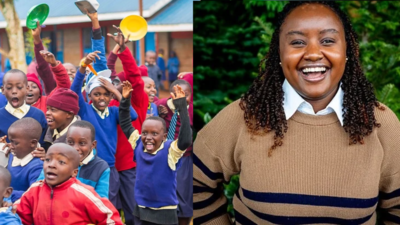
William Wordsworth wrote, “That best portion of a good man’s life, His little, nameless, unremembered acts of kindness and of love.” And sometimes, it might seem that these acts are all for nothing. But just as the darkest night gives way to the brightest dawn, small acts of kindness that people often ignore can turn into something beyond imagination. That’s what happened with Kenyan entrepreneur Wawira Njiru, who started feeding 25 schoolchildren as a small act of kindness. Who knew this little initiative would turn into something so massive?
How a small fundraiser for 25 children began
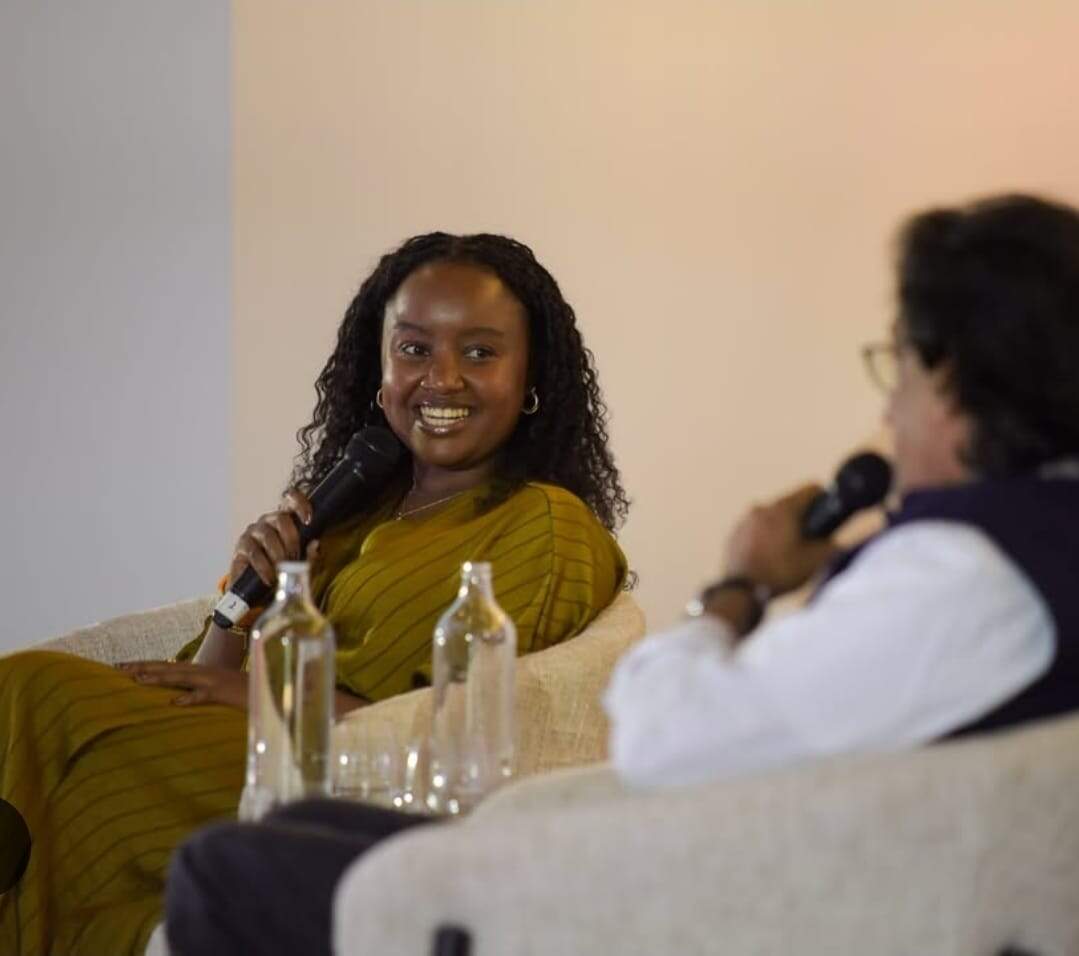
Food 4 Education has recently signed a MoU with the Zambian Government (Image courtesy- instagram/@food4education)
While studying nutrition in Australia, Njiru began thinking about the children growing up in her home country, Kenya, who struggled to get proper meals. She decided to do something that many people only think about. When she realised that some of her university friends had money to spare and wanted to contribute towards a cause, she started her first fundraiser in 2010. With the money she collected, she established a small kitchen in Ruiru, Kenya, in 2012, where meals were initially prepared for just 25 children.Njiru’s idea was simple: provide children with nutritious meals so that hunger would not stand in the way of their education. But running a school kitchen was only the beginning. As more people became involved and the initiative expanded, what had started as a small community effort gradually developed into Food4Education, an organisation working to make school meals accessible to children across Kenya.But how did a small kitchen started by a few people become so massive?
How Food4Education grew into a massive school-feeding initiative
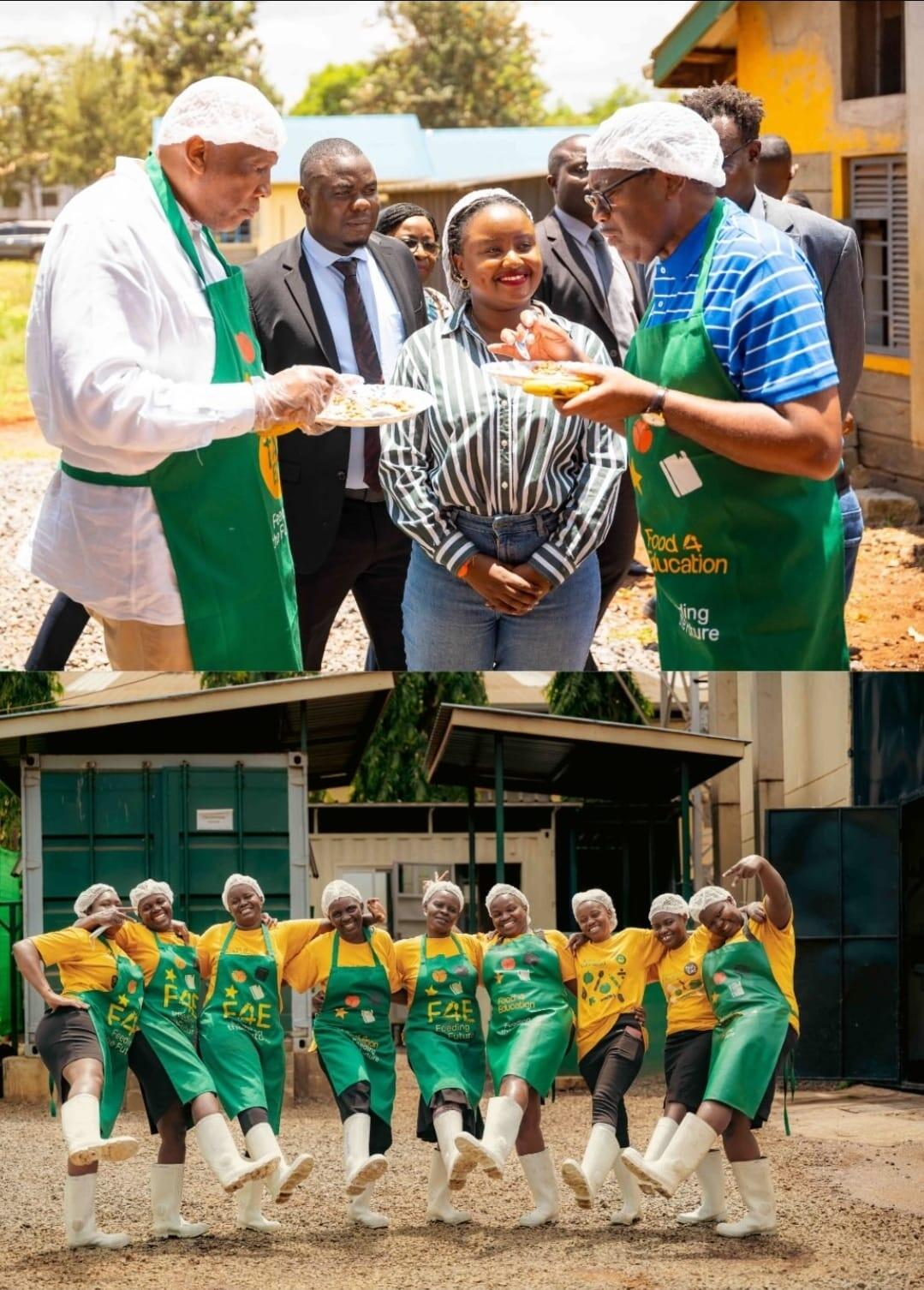
From Makesift kitchen to 730,00 school meals a day. The journey of Wawira Njiru (image courtesy- Instagram/ @food4education)
As the number of children grew, Njiru and her team realised that the initiative needed more than just goodwill and donations to sustain itself. They began building a system that could prepare and distribute meals to growing numbers of children without compromising on quality. In 2016, the organisation established its first central kitchen, with the capacity to prepare meals for 10,000 children. It later expanded its operations across different parts of Kenya, opening larger kitchens and building partnerships with schools and local authorities.One of its biggest developments came in 2019, when Food4Education introduced its Tap2Eat system. Using digital wristbands, children can collect their meals by simply tapping their bands, while parents can contribute towards the cost through the system. The technology also helps the organisation track meals served and manage its operations more efficiently. Rather than making school lunches entirely dependent on donations, the model allows parents to contribute a small amount towards their children’s meals, with additional support coming from government programmes and donors.The organisation has also built connections with local farmers, sourcing around 80% of its food from small-scale agricultural producers. This not only helps provide fresh ingredients for school meals but also creates a steady market for farmers. Today, Food4Education has grown into an organisation employing more than 6,000 people, with operations reaching over 2,700 schools and providing more than 700,000 meals daily, according to its official figures.
Wawira Njiru’s vision and the impact of her work
For Njiru, however, the work is far from over. She wants to take the school-feeding model beyond Kenya and make nutritious meals a more accessible part of children’s education across Africa. Her organisation is also working towards reaching one million children every day by 2027. The idea is to build a sustainable system in which schools, governments, farmers and communities can work together to address childhood hunger rather than treating it as an isolated problem.Her work has also received international recognition. In 2026, Njiru received the German Africa Prize for her contribution to tackling food insecurity and improving children’s access to education. From a small fundraiser that began with just 25 children to an organisation employing thousands of people and feeding hundreds of thousands every day, her journey shows how a local initiative can grow into something with a much wider social impact.Ultimately, what began as an effort to put food on 25 children’s plates has become a reminder that meaningful change does not always require a grand beginning. Sometimes, it simply requires someone to take the first step.